Regulatory Shifts Spark Fresh Payment Dynamics Across Sweden's Mobile Poker and Slot Ecosystems
Casey Friedrich · Nov 11, 2026
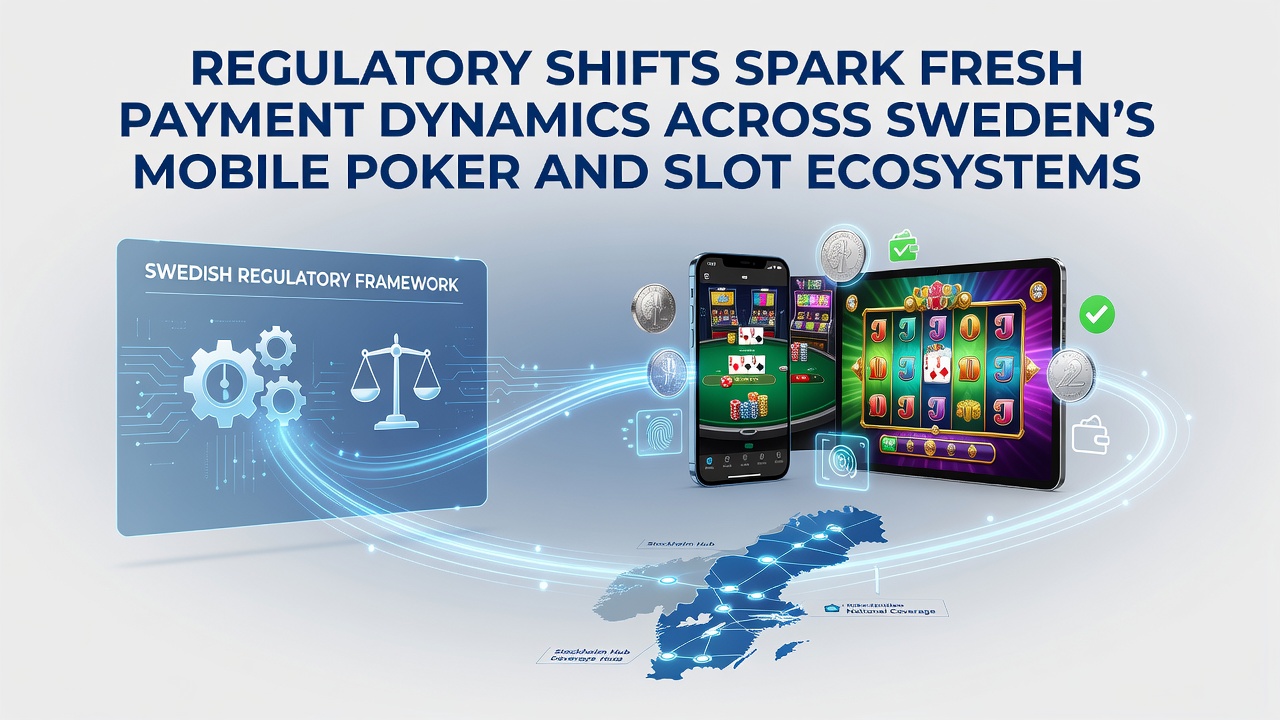
Regulatory Shifts Spark Fresh Payment Dynamics Across Sweden's Mobile Poker and Slot Ecosystems
Sweden's gambling regulators have introduced several updates to licensing and transaction rules that are altering how operators handle deposits and withdrawals in mobile poker and slot environments, and these changes have gained momentum through late 2026 with new compliance deadlines approaching in November. The Swedish Gambling Authority has required tighter integration between payment processors and player verification systems, which has prompted providers to adopt faster settlement methods while maintaining strict anti-money laundering protocols. Operators now face revised reporting timelines that tie directly into real-time transaction monitoring, and this setup has encouraged partnerships wth fintech firms specializing in instant bank transfers and digital wallets approved under EU standards.
Key Policy Adjustments Taking Effect
Policy adjustments rolled out earlier in 2026 emphasized enhanced data sharing between licensed platforms and financial institutions, and these measures expanded in scope during the autumn months to cover both poker rooms and slot applications accessed via smartphones. Data from the Swedish Gambling Authority shows increased adoption of payment rails that support immediate confirmation of funds, while older card-based methods have seen usage decline in certain segments. Researchers at the European Gaming and Betting Association have documented how these shifts align with broader EU efforts to standardize cross-border transaction security, and their findings indicate that Swedish operators have responded by updating app interfaces to prioritize compliant options.
Impact on Mobile Poker Transactions
Mobile poker ecosystems have experienced notable adjustments in deposit flows because the new rules mandate quicker reconciliation of player accounts with central databases, and this requirement has led platforms to integrate solutions that reduce processing windows from hours to minutes in many cases. Observers note that poker operators have shifted emphasis toward methods allowing seamless reloads during live sessions, and case studies from several Stockholm-based providers reveal that transaction success rates improved after implementing the mandated verification layers. Those who've studied the market point out that the changes coincide with rising player volumes in regulated apps, where seamless payments help maintain engagement without triggering additional compliance checks mid-game.

Changes in Slot Payment Patterns
Slot ecosystems have followed a parallel trajectory, with regulatory emphasis on transaction traceability prompting operators to favor payment services that embed player limits and spending caps at the point of transfer. Figures released by the authority in October 2026 highlighted a measurable uptick in the use of approved e-wallet services that automatically sync with national self-exclusion registries, and this integration has streamlined operations for both players and providers. Industry reports from the Canadian Gaming Association suggest similar patterns emerging in other regulated jurisdictions, though Sweden's framework places greater weight on mobile-specific verification that occurs before each session begins. Providers have adjusted bonus structures accordingly, tying promotional credits more closely to verified payment channels that meet the updated criteria.
Broader Market Responses
Market participants have adapted through new collaborations with payment gateways that already hold certifications under multiple European frameworks, and this approach has helped operators avoid delays when rolling out updates ahead of the November 2026 milestones. Experts at the University of Nevada's International Gaming Institute have examined comparable regulatory transitions elsewhere, and their analysis shows that early adopters of integrated payment systems tend to retain higher user retention over time. Swedish platforms have incorporated these lessons by testing hybrid models that combine bank transfers with digital currency options cleared through licensed channels, creating more resilient transaction networks for both poker and slots.
Additional monitoring requirements have pushed some operators to deploy AI-driven tools that flag unusual patterns in real time, and these tools connect directly to the payment infrastructure to ensure compliance without interrupting gameplay. Data indicates that such systems have reduced manual reviews by significant margins in the months following initial implementation, allowing teams to focus resources on platform improvements instead.
Conclusion
Sweden's ongoing regulatory refinements continue to shape payment dynamics across mobile poker and slot sectors as operators prepare for further checkpoints in November 2026 and beyond. The emphasis on verified, traceable transactions has driven innovation in approved methods while aligning with wider European standards, and the resulting ecosystem reflects a balance between player convenience and oversight priorities. Continued observation of transaction data will clarify how these patterns evolve in the coming quarters.