Payment Method Dynamics Reshaping Live Dealer Play in Sweden's Regulated Market
Casey Friedrich · Oct 14, 2026
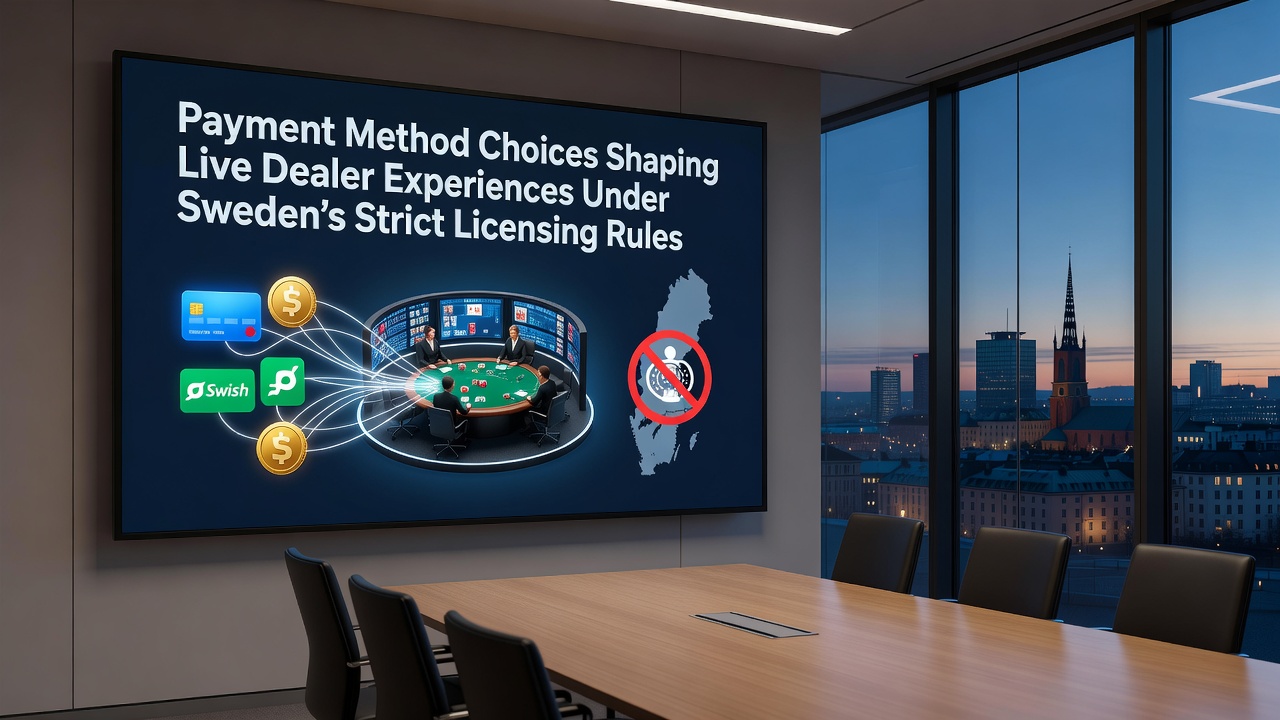
Payment Method Dynamics Reshaping Live Dealer Play in Sweden's Regulated Market
Regulatory Foundations and Payment Requirements
Sweden maintains a licensing system through the Spelinspektionen that demands strict compliance from all operators offering live dealer games, and payment method choices form a core part of that framework since October 2026 updates reinforced requirements for instant verification and player fund segregation. Operators must integrate solutions that support rapid deposits while enforcing age checks and transaction limits set by law, which directly influences how live dealer sessions unfold on mobile and desktop platforms. Research from the European Gaming and Betting Association indicates that platforms using approved local methods see higher session continuity because players avoid delays that break immersion during real-time blackjack or roulette rounds.
Those who manage licensed sites note that every payment provider undergoes approval processes that verify speed, security, and traceability, yet the system still allows variety including bank transfers, e-wallets, and certain card options that align with national standards. Data shows these rules create a landscape where live dealer experiences depend on seamless fund movement rather than flashy features alone, and operators who fail to meet verification timelines face penalties that restrict game availability.
How Approved Methods Alter Gameplay Flow
Live dealer tables require constant player engagement, and payment choices affect everything from initial buy-ins to mid-session top-ups because Swedish rules prohibit credit-based funding and push for methods that settle instantly. Trustly and similar instant bank options dominate because they connect directly to player accounts without extra layers, allowing participants to join tables within seconds rather than minutes, whereas slower alternatives force pauses that reduce table retention rates according to figures released by industry analysts. Observers note that when deposits clear immediately, players maintain focus on dealer interactions and betting patterns instead of checking status screens.
Withdrawal processes also shape ongoing participation since regulations require funds to return through the same channel used for deposits in most cases, and this loop encourages operators to prioritize providers with bidirectional speed. One study revealed that sites offering same-day payouts through verified Swedish methods retain live dealer users longer than those relying on international cards that trigger additional compliance steps. People who've examined transaction logs across multiple platforms discover patterns where approved local methods reduce friction points during peak evening hours when live tables see highest traffic.
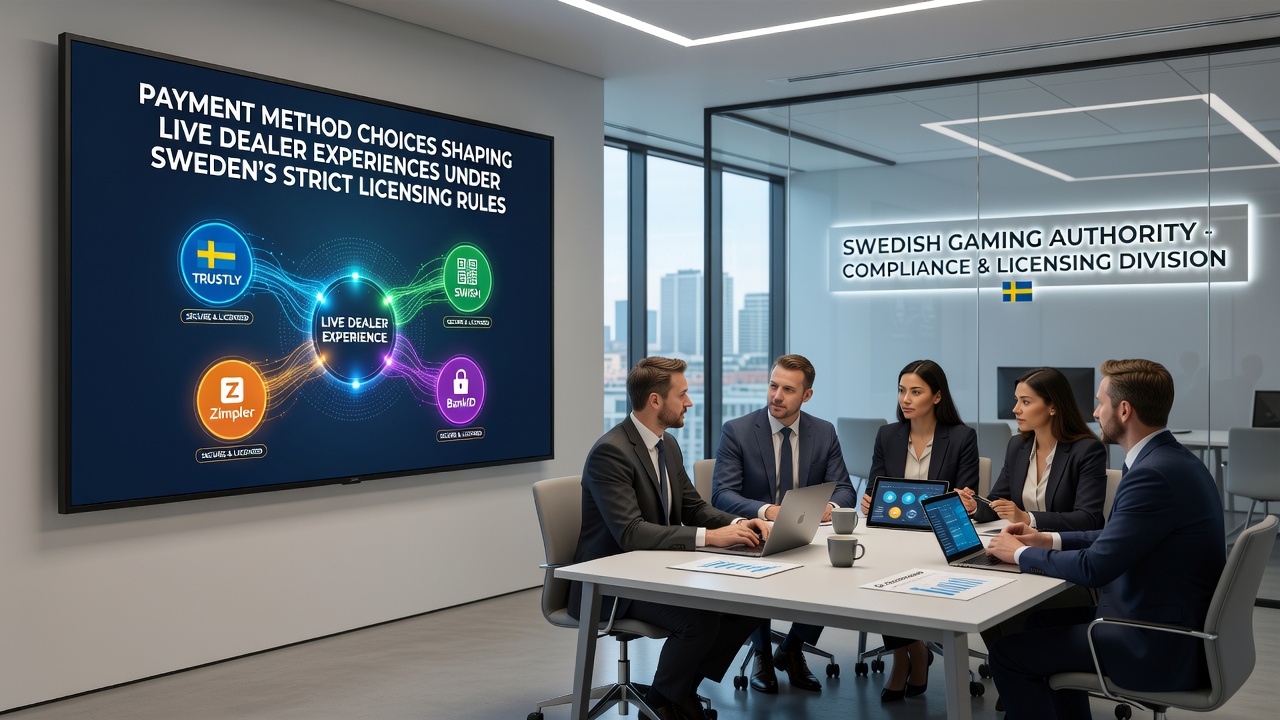
Market Data and Provider Trends in Late 2026
Statistics compiled by the Canadian Gaming Association highlight that regulated markets like Sweden experience measurable shifts when licensing bodies tighten payment oversight, and October 2026 figures showed increased adoption of domestic instant transfer services among live dealer operators seeking to comply without sacrificing user convenience. These trends emerge because strict licensing ties bonus eligibility and game access to verified payment histories, pushing players toward methods that track cleanly for regulatory reporting. Operators adapt by featuring fewer options on their interfaces, yet the remaining choices deliver more reliable performance during extended sessions.
What's interesting is how mobile integration plays into these dynamics, since most live dealer traffic now arrives via smartphones where app-based payments reduce steps between deposit confirmation and table entry. Research indicates that platforms combining Spelinspektionen-approved tools with biometric verification cut average transaction times by measurable margins, which keeps momentum high across multiple tables simultaneously. Those who've tracked player behavior note fewer abandoned carts when payment prompts appear inside the live dealer lobby rather than redirecting to external portals.
Future Adjustments and Industry Responses
Swedish authorities continue refining payment standards in response to technological advances, and operators prepare for potential expansions that could include new digital wallet partnerships while maintaining the core emphasis on consumer protection and transaction transparency. Industry reports suggest that live dealer segments benefit most from these adjustments because real-time interaction leaves little room for payment-related interruptions, and compliant providers gain competitive edges through faster onboarding. Data from academic sources at the University of Nevada Gaming Research Center points to similar patterns in other tightly regulated jurisdictions where payment method restrictions correlate with steadier engagement metrics.
Operators who align early with evolving requirements position themselves for smoother audits, while those relying on legacy systems encounter bottlenecks that affect live game availability. The ball remains in the court of technology providers to deliver solutions that satisfy both speed demands and regulatory scrutiny without adding complexity for end users.
Conclusion
Payment method selections under Sweden's licensing rules continue to define live dealer accessibility and session quality because every approved option must balance regulatory demands with practical speed, and this connection grows tighter as October 2026 standards take full effect across the market. Operators and players alike navigate these constraints through methods that prioritize verification and instant settlement, which sustains the core appeal of real-time dealer experiences while meeting national oversight criteria. Ongoing data collection from multiple regulatory and research bodies will likely reveal further refinements as technology and policy evolve together.